
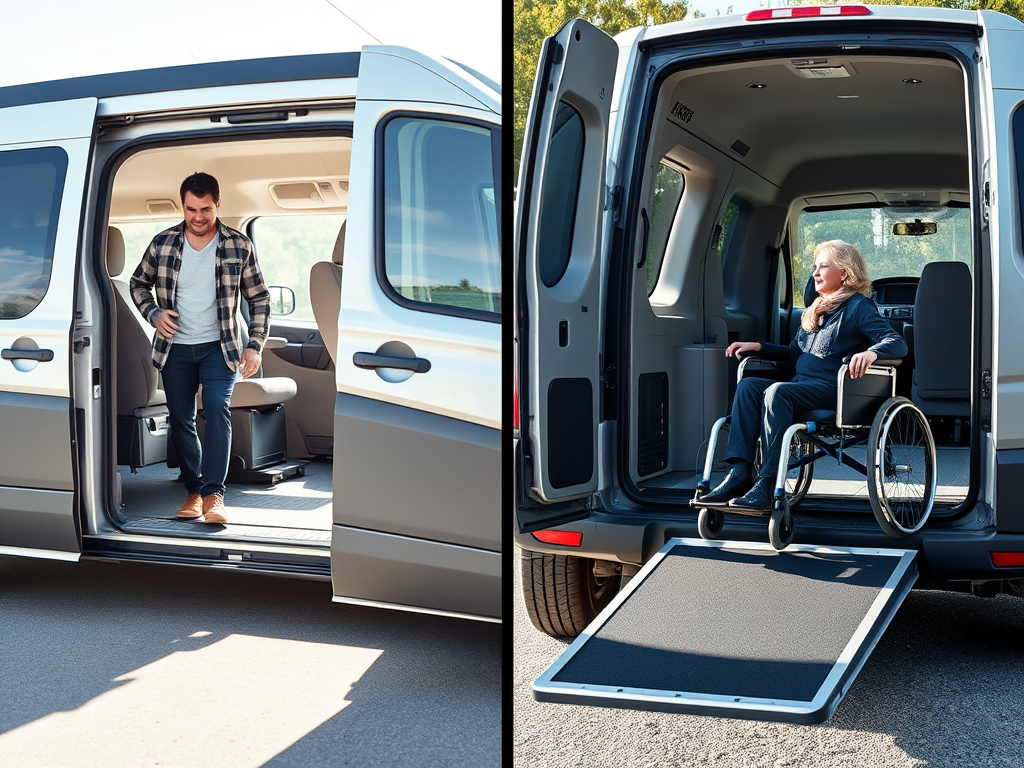
When planning medical or non-emergency transportation, understanding the distinction between ambulatory and wheelchair transport is essential. The right option prioritizes safety, comfort, and independence for the passenger. In this guide, we break down the differences, typical use cases, eligibility, equipment, and tips to help you choose the best service.
What is ambulatory transport?
Ambulatory transport refers to a mode of non-emergency transportation designed for passengers who can walk or transfer independently, with or without minimal assistance. Key points:
- Accessibility: A standard vehicle with a basic seating configuration is usually sufficient.
- Assistance level: Drivers or aides may offer assistance with getting in and out, but the passenger is generally able to walk or transfer without a wheelchair.
- Use cases: Non-emergency medical appointments, therapy sessions, and social outings for clients who can ambulate.
What is wheelchair transport?
Wheelchair transport is a non-emergency service for passengers who use a wheelchair or require seating in a wheelchair-positioned vehicle. Key points:
- Vehicle and equipment: Specialized vehicles with wheelchair ramps or lifts, securement devices, and appropriate tie-downs to safely transport a wheelchair.
- Accessibility: The passenger remains in a wheelchair for the duration of the trip or is safely transferred to a wheelchair-secured seat.
- Assistance level: Aides provide wheelchair securement, door-to-door assistance, and may assist with transfers when necessary.
- Use cases: People who cannot safely transfer to a standard seat, or who require continuous wheelchair access during travel.
Key differences at a glance
- Mobility needs: Ambulatory transport serves those who can walk or transfer independently; wheelchair transport serves those who rely on a wheelchair.
- Vehicle setup: Ambulatory typically uses standard seating; wheelchair transport uses wheelchair-accessible vehicles with ramps or lifts and restraint systems.
- Safety considerations: Wheelchair transport prioritizes wheelchair securement and transfer safety; ambulatory transport focuses on safe entry/exit and basic assistance.
- Level of support: Wheelchair transport often includes more extensive assistance with positioning, securing mobility aids, and door-to-door support.
How to decide which service is right for you
- Assess mobility and transfer ability:
- Can the passenger get in and out of a standard vehicle without significant help?
- Is a wheelchair needed for the duration of the trip or for safe positioning?
- Consider safety and comfort:
- If there is a risk of falling or difficulty transferring without assistance, wheelchair transport is typically safer.
- Review medical needs:
- Any conditions requiring securement, extra padding, or specific positioning should steer you toward wheelchair transport.
- Check availability and coverage:
- Some regions and insurers differentiate between ambulatory and wheelchair transport for eligibility and pricing.
- Confirm driver training:
- Ensure staff are trained in safe wheelchair securement, transfers, and handling of mobility devices.
Equipment and safety features to expect
- Wheelchair transport: Ramp or lift, securement straps, anti-tip devices, seat belts, and a vehicle that accommodates wheelchairs securely.
- Ambulatory transport: Sturdy seating, handrails, step ladders or assists for entering/exiting, and basic mobility aids as needed.
- General safety: Vehicle maintenance, clean interiors, sanitization protocols, and GPS-based trip tracking for security and accountability.
Common myths clarified
- “Ambulatory means no help is available.” Truth: Even ambulatory transport can include assistance with doors, steps, and basic transfer support.
- “Wheelchair transport is slower.” Truth: Travel time is similar; the difference lies in loading/unloading steps and securement processes.
- “Any vehicle can transport a wheelchair.” Truth: Wheelchair transport requires specially equipped vehicles and trained staff.
Tips for a smooth experience
- Book in advance: Especially for wheelchair transport, to ensure the appropriate vehicle and staff are available.
- Share medical details: Provide information about transfers, equipment, oxygen, or other needs.
- Confirm accessibility: Verify ramp vs. lift, space for the wheelchair, and seat belt or harness requirements.
- Communicate timing: Confirm pickup windows and allow extra time for traffic, loading, and safety checks.
- Bring essentials: Any required medications, ID, insurance cards, and copies of orders or physician notes.
SEO-focused FAQs (search-optimized)
- What constitutes ambulatory transport?
Ambulatory transport is non-emergency transportation for passengers who can walk or transfer independently, using standard seating in a regular vehicle. - What is wheelchair transport?
Wheelchair transport uses wheelchair-accessible vehicles with ramps or lifts and securement systems to safely transport passengers in wheelchairs or those who need continuous wheelchair seating. - How do I know which service I need?
Evaluate mobility, ability to transfer, safety concerns, and whether the passenger must remain in a wheelchair for the trip. Consult with your transport provider if unsure. - Are these services covered by insurance?
Coverage varies by plan and region. Check with your insurer and the transport provider to understand eligibility and reimbursement.
Conclusion
Choosing between ambulatory and wheelchair transport hinges on the passenger’s mobility, safety requirements, and comfort. By assessing transfer ability, equipment needs, and driver training, you can select the service that ensures a safe, dignified, and stress-free ride.
If you’d like, I can tailor this further for your target audience, add subheadings and internal links, or optimize meta tags and readability for a specific platform. Do you have a preferred length, tone, or target keyword density?